Searches for best natural dog food price often blend “premium” claims with vague ingredient panels. This guide shows how to read declared protein, fat, fiber, and price per kilo before you change what is in the bowl.
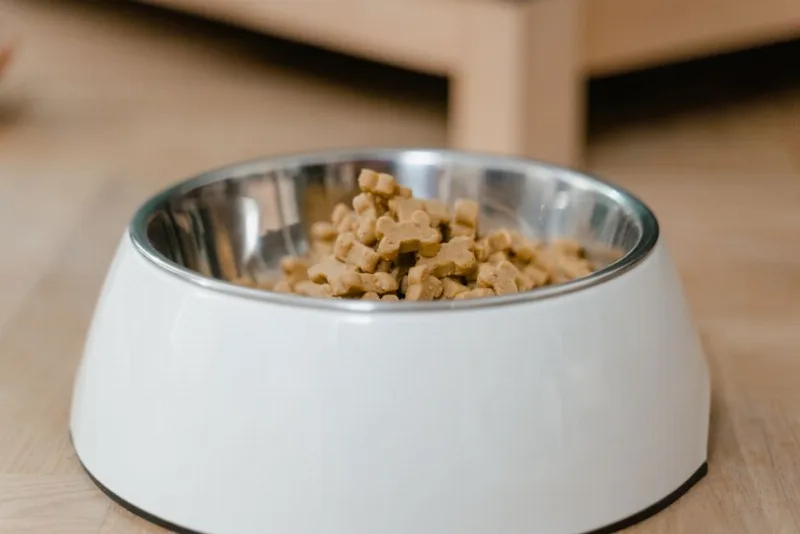
Portions: scale beats guessing cups
Firm stool, stable coat, age-appropriate energy, and ribs you can feel usually mean a good fit. Sudden appetite swings deserve a vet visit, not just another bag.
Switching brands overnight commonly triggers vomiting or soft stool. Cross over seven to ten days and cut treats during the transition week.
Price per kilo and pack size
Comparing protein percentages alone misleads: actual intake depends on moisture content and the grams you serve daily.
Indoor cats need calorie control and moisture; free-fed dry bowls often drift overweight without measured meals.
Reading the label beyond marketing claims
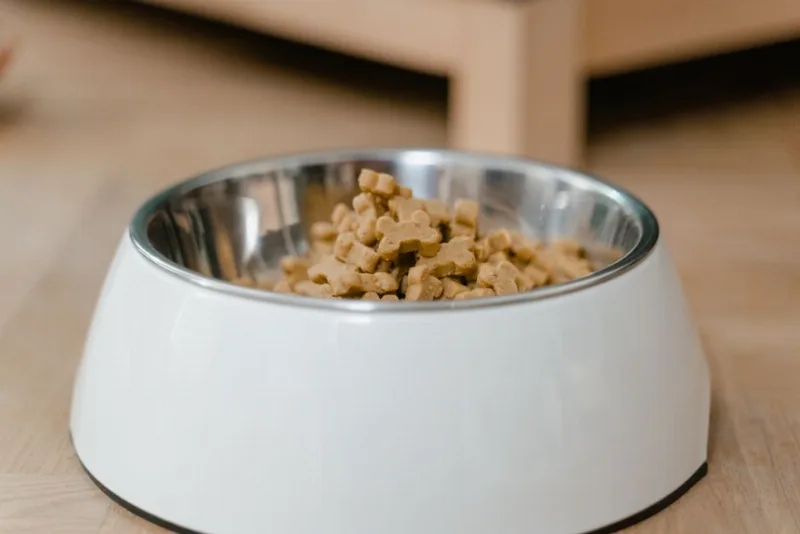
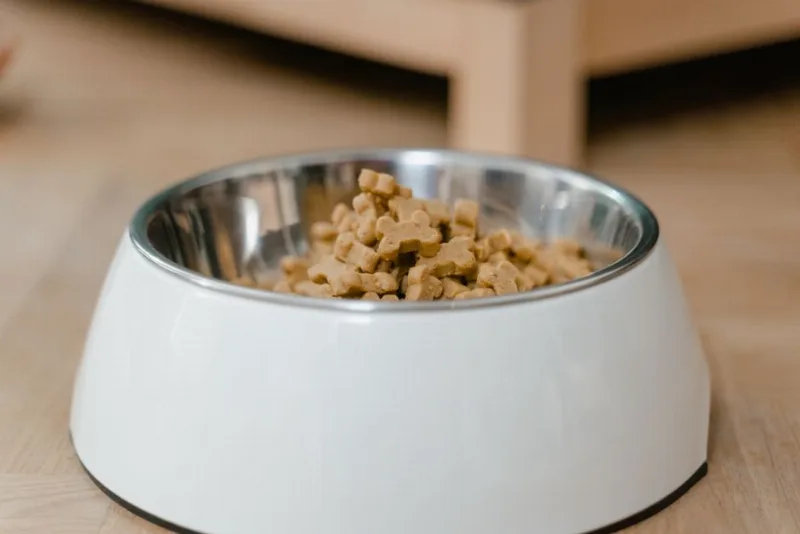
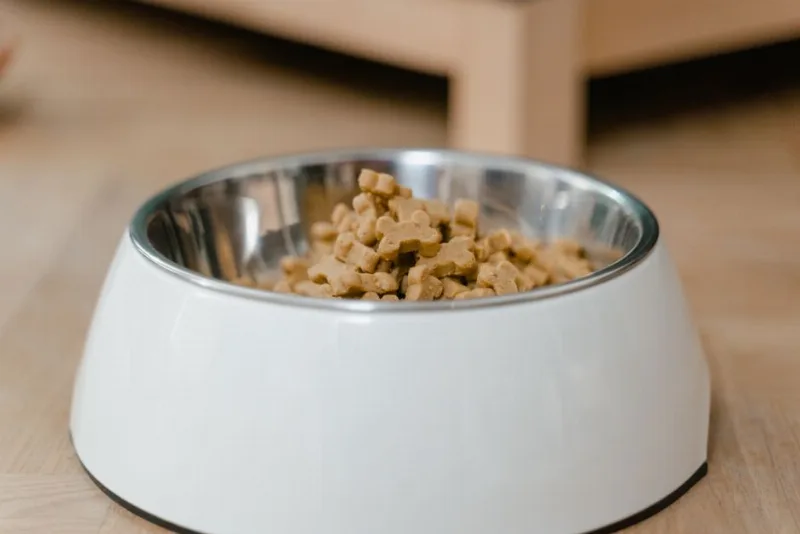
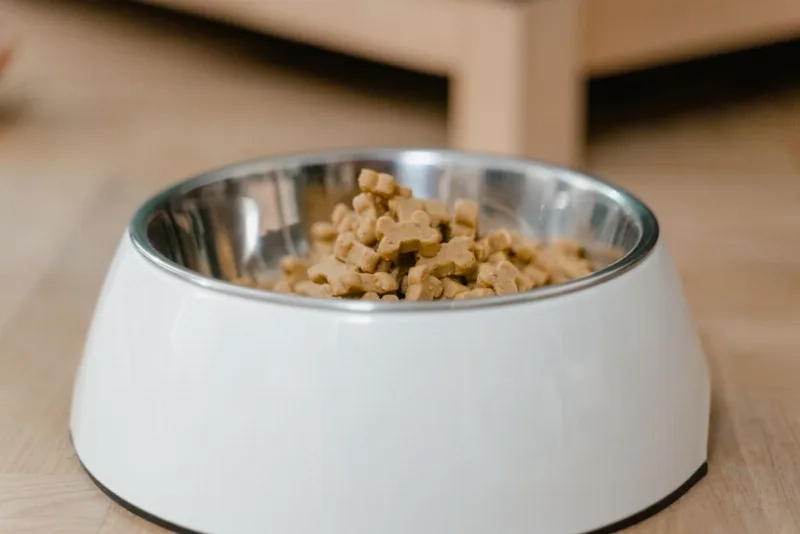
Weigh the bowl on a kitchen scale: in small dogs, ten percent extra kibble materially shifts calories. Log treats; they often exceed ten percent of daily intake.
Price per kilo clarifies small-bag promos versus bulk. Add shipping and expiry—a huge sack fails if it goes stale before you finish it.
How do I know if food is “complete”?
The package should state complete nutrition for species and life stage. If not complete, it should not be the sole diet base.
Can I rotate brands every week?
Rotating without transition upsets digestion. If you trial another formula, cross over gradually and watch stool and appetite.
How do I know if food is “complete”?
The package should state complete nutrition for species and life stage. If not complete, it should not be the sole diet base.
What's the best food for your pet based on age and breed?
Get personalized nutrition plan →