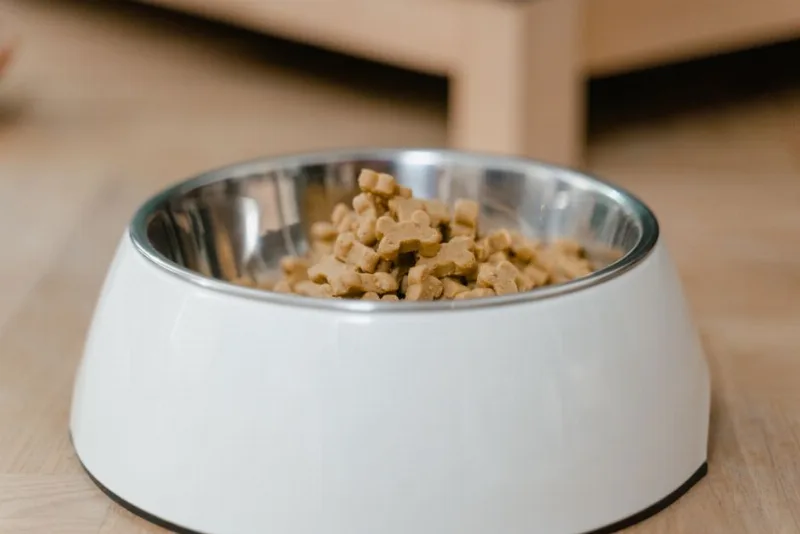
Searches for pet food free trial offer often blend “premium” claims with vague ingredient panels. This guide shows how to read declared protein, fat, fiber, and price per kilo before you change what is in the bowl.
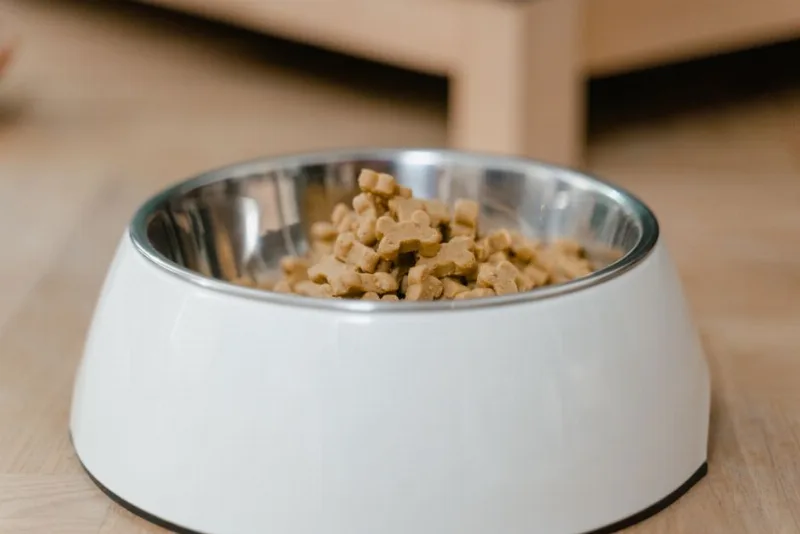
A seven-day food transition
Look for “complete food” and the correct life-stage statement. Without that, toppers or home mixes can unbalance minerals that matter for bones and kidneys.
For suspected allergies, one protein and one carbohydrate for several weeks—with clinical guidance—beats monthly boutique rotations.
Protein, fat, and fiber by life stage
Weigh the bowl on a kitchen scale: in small dogs, ten percent extra kibble materially shifts calories. Log treats; they often exceed ten percent of daily intake.
Price per kilo clarifies small-bag promos versus bulk. Add shipping and expiry—a huge sack fails if it goes stale before you finish it.
A seven-day food transition
Comparing protein percentages alone misleads: actual intake depends on moisture content and the grams you serve daily.
Indoor cats need calorie control and moisture; free-fed dry bowls often drift overweight without measured meals.
What does a plan at Premium10 add?
Premium10 estimates daily grams from weight, activity, and stated preferences so you can compare foods with criteria.
Can I rotate brands every week?
Rotating without transition upsets digestion. If you trial another formula, cross over gradually and watch stool and appetite.
How do I know if food is “complete”?
The package should state complete nutrition for species and life stage. If not complete, it should not be the sole diet base.
What's the best food for your pet based on age and breed?
Get personalized nutrition plan →