
Grain-free is not automatically healthier
Grains like rice and oats provide digestible energy and fiber in many complete diets. Grain-free labels often swap grains for legumes, which changes nutrient profile rather than eliminating carbohydrates.
Unless your veterinarian documents a specific need, grain-free is a formulation choice—not a universal upgrade.
Practical owners applying advice on grain-free is not automatically healthier weigh daily grams, log treats for seven days, and reassess ribs and waist monthly rather than trusting memory. Those habits make it easier to see whether a complete diet still fits when activity, weather, or age shifts for your dog or cat.
Carbohydrates in canine diets
Dogs digest cooked starches and use them for energy. Total diet balance—protein, fat, fiber, minerals—matters more than demonizing one ingredient class featured in advertising.
Focus on whether the diet is complete, palatable, and supports healthy weight and stool for your individual dog.
Practical owners applying advice on carbohydrates in canine diets weigh daily grams, log treats for seven days, and reassess ribs and waist monthly rather than trusting memory. Those habits make it easier to see whether a complete diet still fits when activity, weather, or age shifts for your dog or cat.
DCM conversations belong with your vet
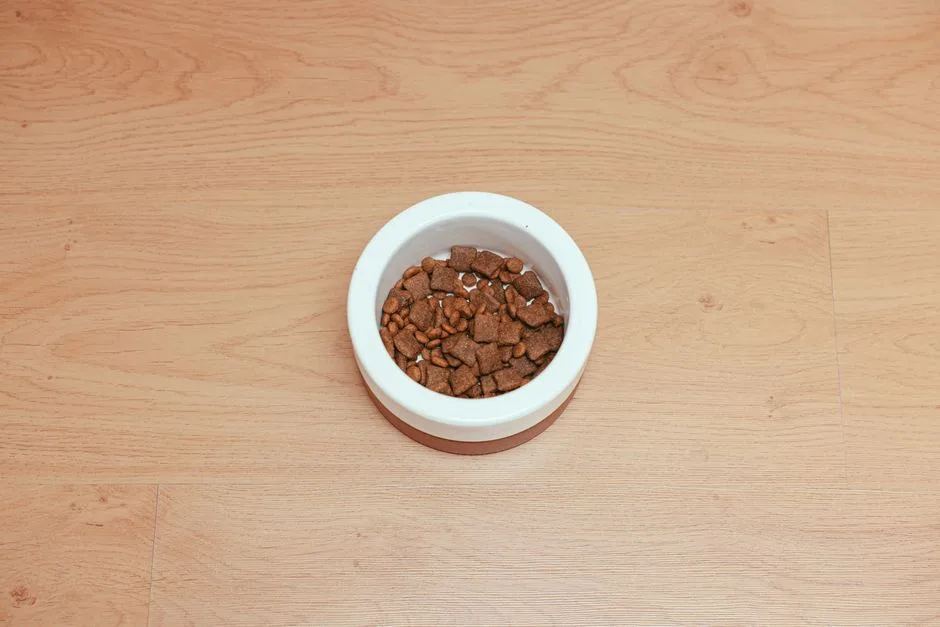
Periods of scrutiny linked certain grain-free patterns with cardiac concerns in some dogs. Research evolves; your veterinarian interprets risk for your pet's breed, diet history, and checkups.
Do not self-diagnose heart conditions based on food marketing; schedule exams if endurance or cough changes appear.
Practical owners applying advice on dcm conversations belong with your vet weigh daily grams, log treats for seven days, and reassess ribs and waist monthly rather than trusting memory. Those habits make it easier to see whether a complete diet still fits when activity, weather, or age shifts for your dog or cat.
Exotic proteins and label trends
Kangaroo, alligator, or rare fish sound premium but offer no magic if the rest of the formula is unbalanced. Frequent protein hopping complicates elimination when sensitivities are suspected.
Stability helps you and your clinic identify what works.
Practical owners applying advice on exotic proteins and label trends weigh daily grams, log treats for seven days, and reassess ribs and waist monthly rather than trusting memory. Those habits make it easier to see whether a complete diet still fits when activity, weather, or age shifts for your dog or cat.
Legumes as primary ingredients
Peas, lentils, and chickpeas concentrate protein on labels but alter amino acid patterns. Nutritionists formulate around these differences; consumers should not assume equivalence to poultry-first recipes.
Compare products using guaranteed analysis and feeding trials where disclosed.
Practical owners applying advice on legumes as primary ingredients weigh daily grams, log treats for seven days, and reassess ribs and waist monthly rather than trusting memory. Those habits make it easier to see whether a complete diet still fits when activity, weather, or age shifts for your dog or cat.
Allergies are less common than ads suggest
True food allergies are a subset of itchy skin cases. Environmental triggers and parasites matter too. Diet trials should be structured, not a monthly flavor tour.
Work with your veterinary team on timelines and monitoring.
Practical owners applying advice on allergies are less common than ads suggest weigh daily grams, log treats for seven days, and reassess ribs and waist monthly rather than trusting memory. Those habits make it easier to see whether a complete diet still fits when activity, weather, or age shifts for your dog or cat.
Reading beyond the front panel
Buzzwords like ancestral, wild, or primal do not regulate nutrient adequacy. Look for complete and balanced statements for the intended life stage and manufacturer contact details.
Third-party testing and transparent calorie content support informed choices.
Practical owners applying advice on reading beyond the front panel weigh daily grams, log treats for seven days, and reassess ribs and waist monthly rather than trusting memory. Those habits make it easier to see whether a complete diet still fits when activity, weather, or age shifts for your dog or cat.
Weight and digestion trump ideology
A grain-inclusive diet that maintains ideal body condition and firm stool beats a grain-free diet that causes gain or loose feces. Measure outcomes, not trends.
Weigh food, track treats, and photograph body condition monthly.
Practical owners applying advice on weight and digestion trump ideology weigh daily grams, log treats for seven days, and reassess ribs and waist monthly rather than trusting memory. Those habits make it easier to see whether a complete diet still fits when activity, weather, or age shifts for your dog or cat.
Therapeutic diets when needed
Some dogs require veterinary diets for urinary, skin, or gastrointestinal support. Retail grain-free bags are not substitutes for those protocols.
Never stop prescribed diets without professional guidance.
Practical owners applying advice on therapeutic diets when needed weigh daily grams, log treats for seven days, and reassess ribs and waist monthly rather than trusting memory. Those habits make it easier to see whether a complete diet still fits when activity, weather, or age shifts for your dog or cat.
Balanced decision framework
List your dog's age, activity, known intolerances, and budget. Shortlist complete diets, transition gradually, and evaluate for six to eight weeks unless adverse signs appear sooner.
Let data—weight trend, stool, coat, energy—guide the next step.
Practical owners applying advice on balanced decision framework weigh daily grams, log treats for seven days, and reassess ribs and waist monthly rather than trusting memory. Those habits make it easier to see whether a complete diet still fits when activity, weather, or age shifts for your dog or cat.
This guide is educational for dogs and cats on complete diets; it does not diagnose illness or replace veterinary treatment. Contact your clinic promptly if appetite, vomiting, or weight changes appear suddenly.
Your next step

Start the Premium10 nutrition analysis to translate these principles into a practical plan for your dog or cat.